
Fort Bend County, Texas

Tree Service for Fort Bend County Properties

Fort Bend Tree Pros provides tree removal, tree trimming and pruning, stump grinding, and emergency tree service for eligible properties in the Fort Bend County, Texas service territory. Homeowners and property decision-makers can start here to identify the right service, understand the questions that shape an estimate, and request next steps. Coverage and scheduling are confirmed for each project.

Request an estimate or call (281) 953-6277 to describe the tree, stump, or storm-related problem.

Written estimate scopeFort Bend County service areaProperty access planningCleanup expectations documented

What We Do

Start With the Problem You Need to Solve

A tree concern is not always obvious from the ground. The right starting point depends on what has changed, where the tree or stump is located, and whether there is an immediate obstruction or storm-related hazard. Fort Bend Tree Pros keeps the first decision simple: choose the service that most closely matches the visible problem, then confirm the project details during the estimate process.

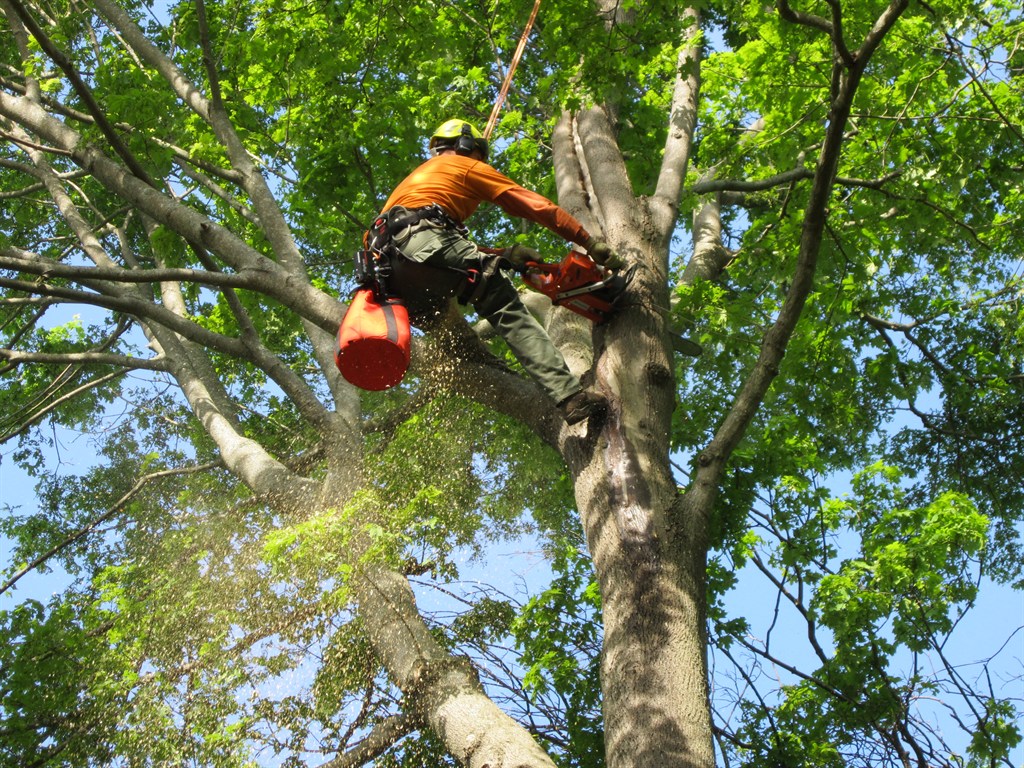
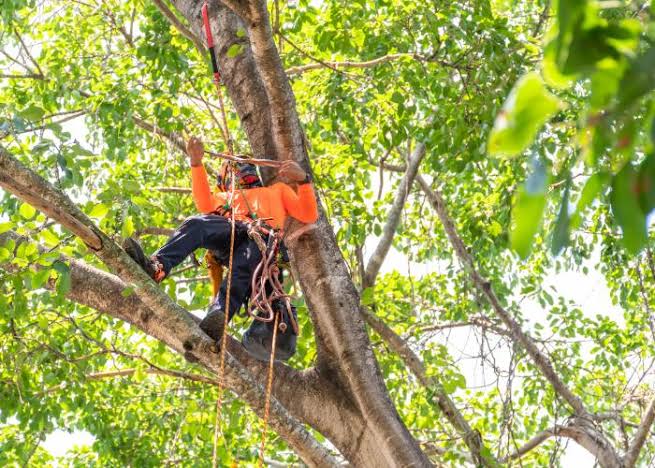
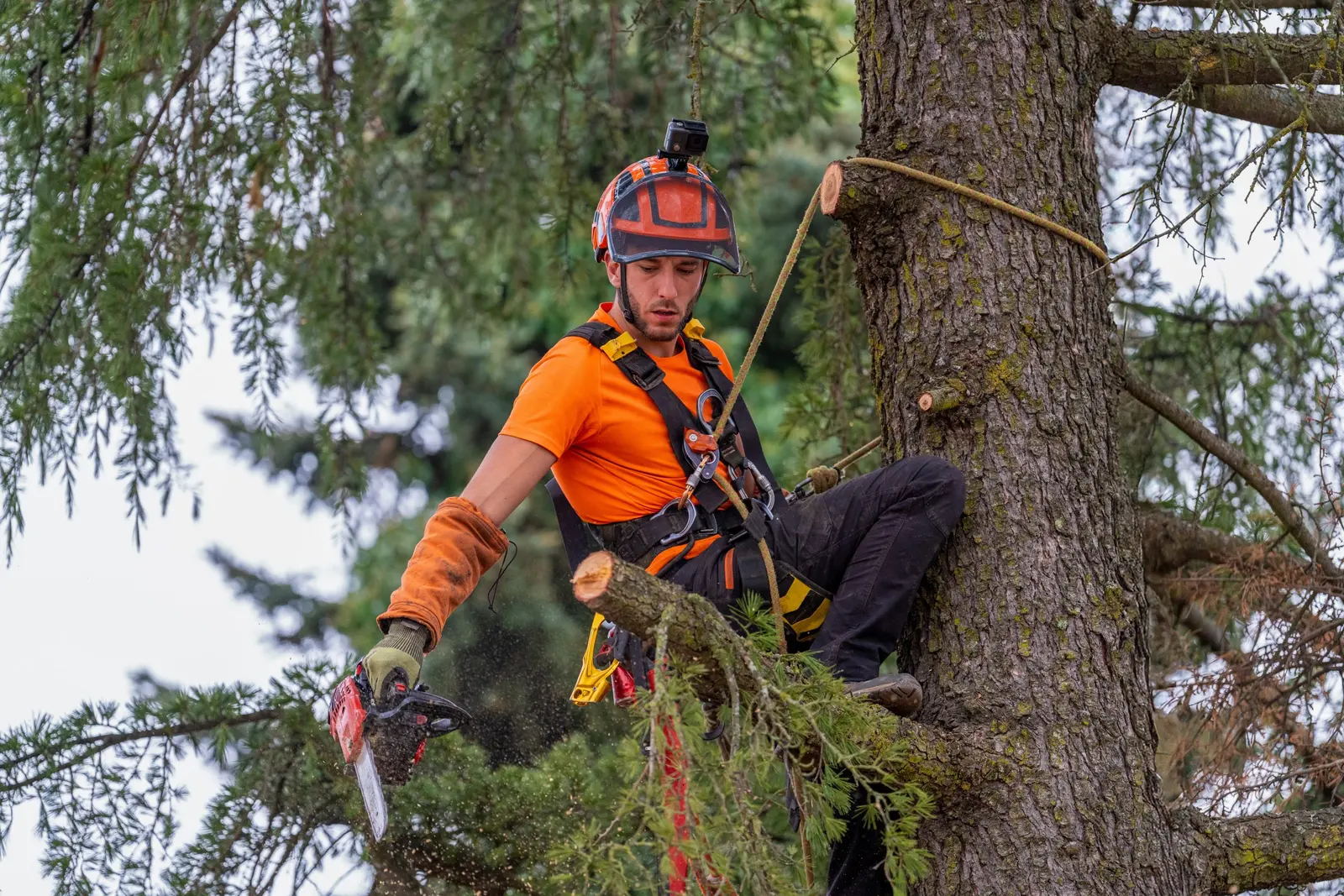
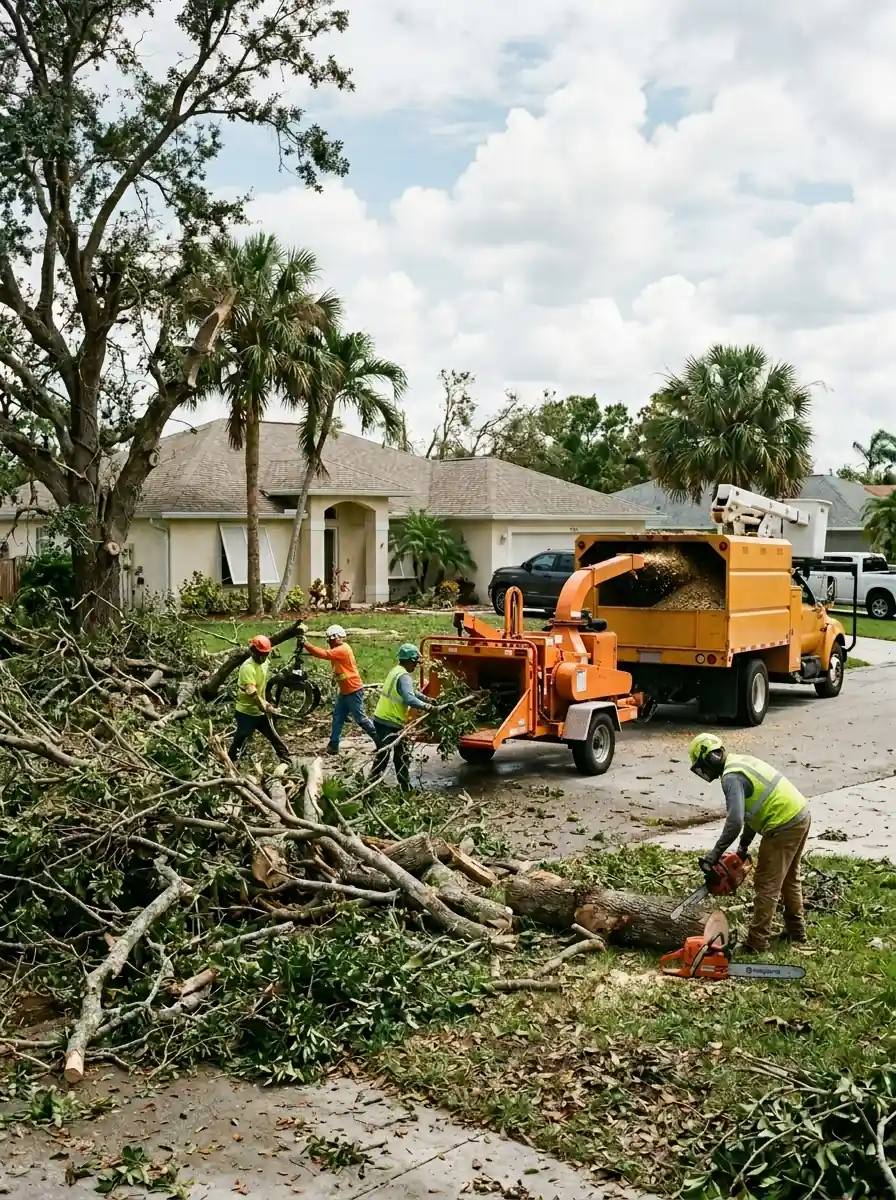
Tree removal work in progress

Tree Removal

Tree removal in Fort Bend County is the relevant service when a tree is dead, fallen, severely damaged, leaning in a concerning way, or otherwise being considered for removal. The estimate should account for the tree's location, nearby structures and access constraints. If the concern follows a storm or includes an active obstruction, start with emergency service instead.
Learn more
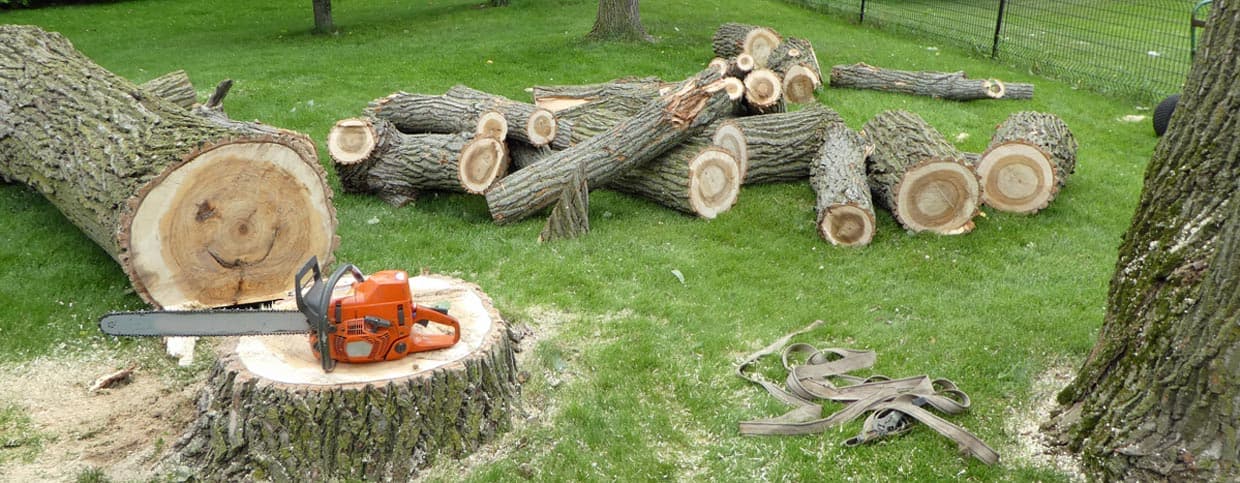
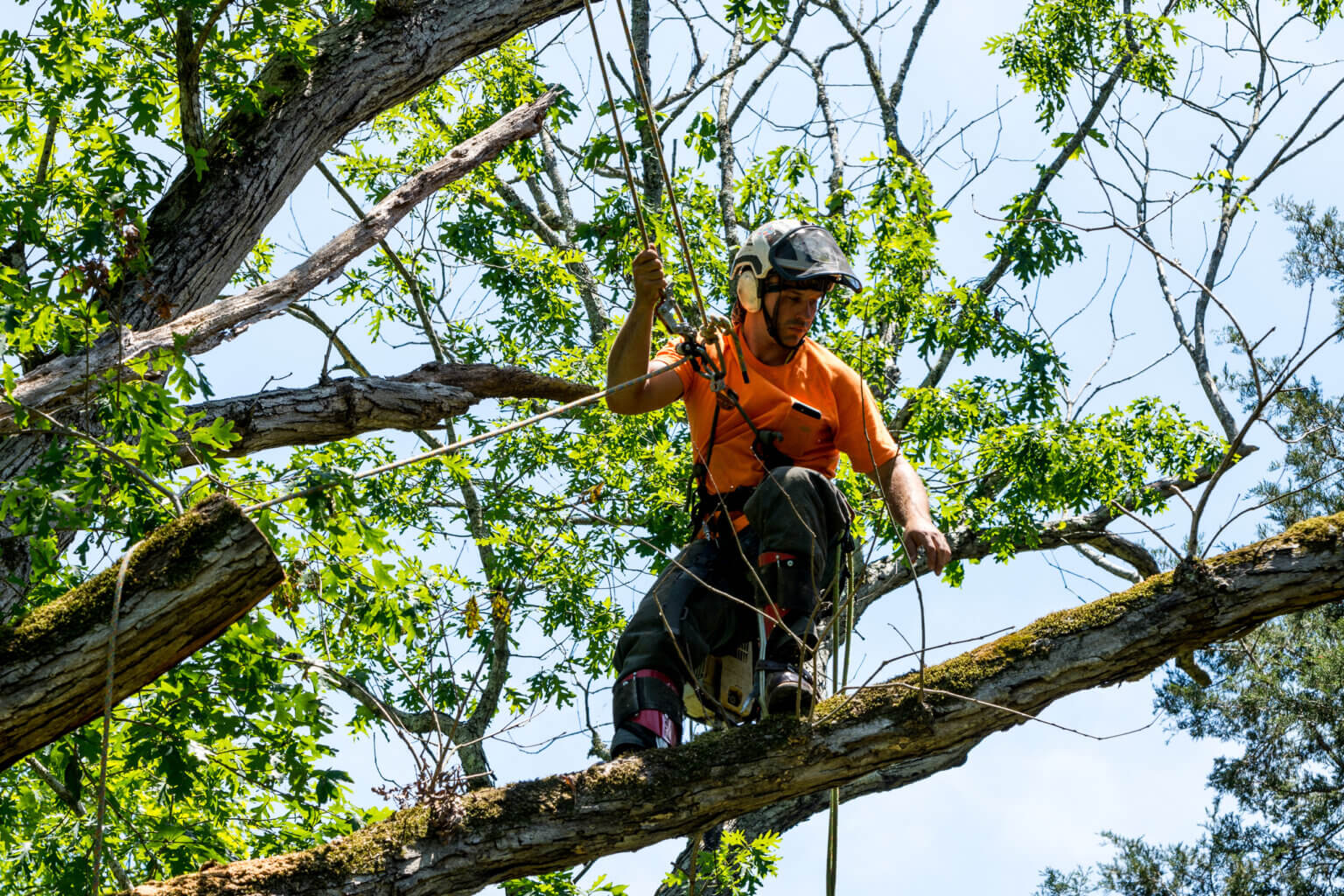
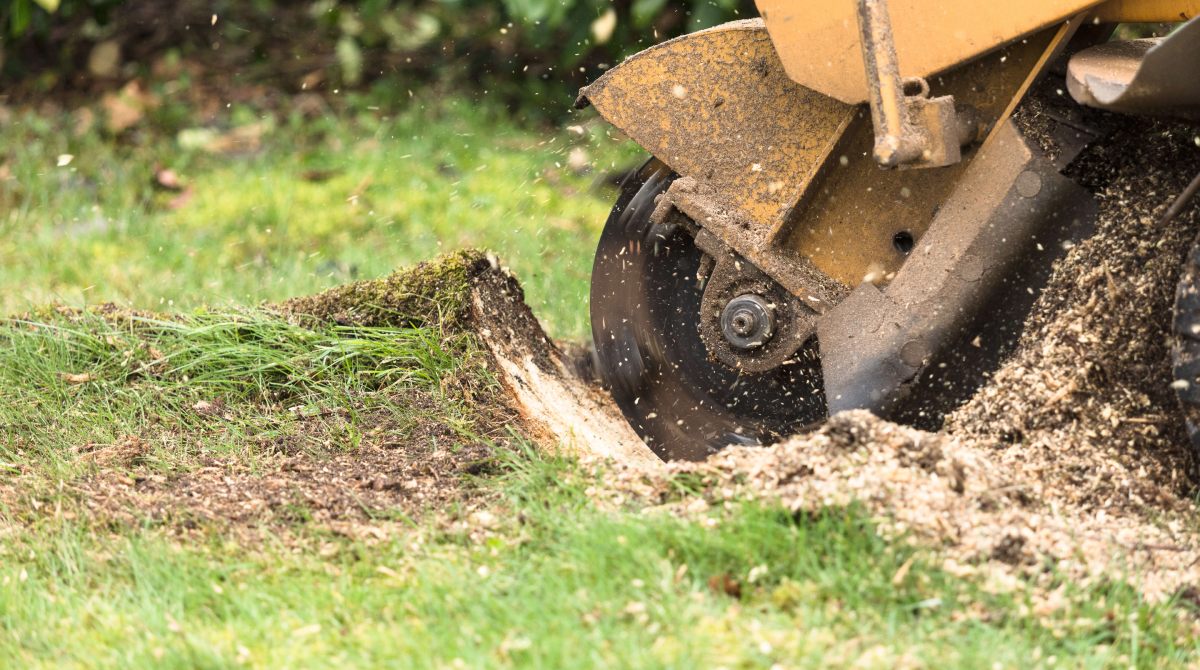
Stump grinding on a residential property

Stump Grinding

Stump grinding in Fort Bend County is for a remaining stump that interferes with the intended use of a yard or creates an unwanted obstacle. Useful estimate details include the stump's approximate size, its location, access to it, and what the property owner wants to do with the area afterward. Grinding depth, visible roots, debris handling, and surface restoration should be confirmed in the written scope rather than assumed.

Learn more
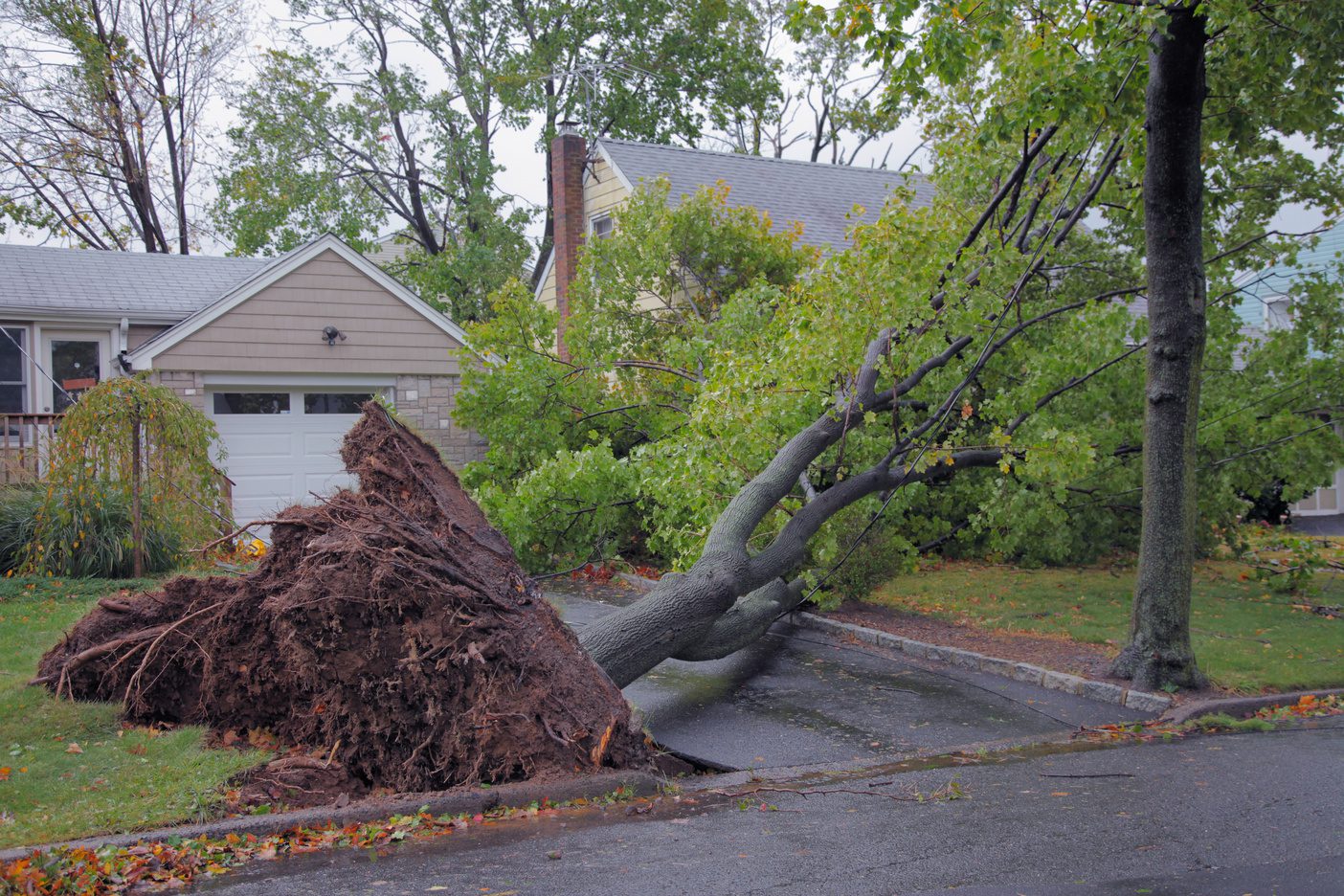
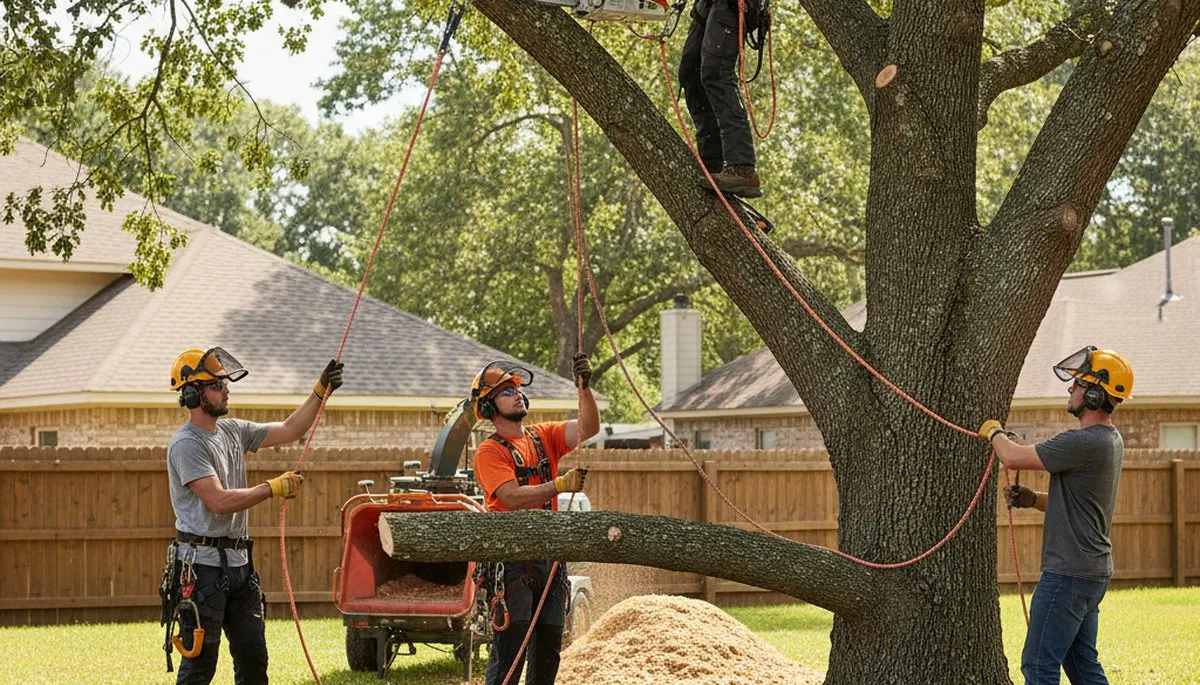
Emergency tree service after storm damage

Emergency Tree Service

Emergency tree service is the best starting point for a fallen tree, broken limb, storm damage, or blocked access that needs prompt attention. Availability is not guaranteed and must be confirmed. If a tree or limb is touching a utility line, or if there is an immediate threat to people, contact the appropriate utility or emergency authority and keep clear of the area before requesting tree service.

Learn more

Choose the Right Starting Point

Which Tree Service Fits Your Situation?

Swipe to compare

What you can see Best page to open What to explain when you contact us
A dead, fallen, badly damaged, or concerning tree Tree Removal What changed, where the tree stands or fell, and what is nearby
Broken, dead, crowded, or overgrown branches Tree Trimming and Pruning Which limbs concern you, the desired clearance, and recent damage
A remaining stump in a lawn or planned-use area Stump Grinding Approximate stump size, access, visible roots, and plans for the area
Storm damage, a fallen tree, a broken limb, or blocked access Emergency Tree Service Whether the area is secure, what is blocked, and whether utilities are involved

Not sure which category applies? Use the contact page to describe the situation without trying to diagnose it yourself.

How It Works

A Clear Path From First Contact to an Estimate

An accurate estimate begins with useful facts, not assumptions. The process should establish whether the property is within the service territory, whether scheduling is available, which service matches the request, and what the proposed scope includes.

  1. Describe the concern. Share whether the issue involves a whole tree, specific limbs, a stump, storm damage, or blocked access.
  2. Identify the location and surroundings. Provide the project address privately through the contact process and note nearby structures, fences, driveways, or utility concerns that may affect the request.
  3. Confirm service coverage and scheduling. Fort Bend Tree Pros confirms whether the project location is covered and whether scheduling is available.
  4. Review the proposed scope. Ask what work is included, what is excluded, how access affects the project, and how any debris, stump depth, roots, or surface condition will be handled.
  5. Compare the estimate on the same terms. A useful comparison looks at scope, exclusions, property constraints, timing, and price together—not price alone.

No cleanup method, hauling, equipment, restoration, or response time should be assumed unless it appears in the approved estimate. For more about this plainspoken approach, visit About Fort Bend Tree Pros.

Coverage

Serving the Fort Bend County Territory

Fort Bend Tree Pros serves eligible projects within its Fort Bend County, Texas territory. Launch service-area guides are available for:

These city pages help property owners understand the same four core services in a local context; they do not represent offices or storefronts in those cities. Browse the service-area directory for the current coverage framework. Every request remains subject to the project location and scheduling.

Browse the full coverage directory

Prepare for the Estimate

Make the Next Conversation More Useful

Before requesting an estimate, note what you can observe without entering an unsafe area. A few practical details can make the initial conversation clearer:

  • Is the concern a whole tree, a branch, or a stump?
  • Did the condition appear gradually or after a recent storm?
  • Is a driveway, entrance, structure, or other access point blocked?
  • Are utility lines nearby or involved?
  • What outcome are you seeking: removal, selective pruning, stump grinding, or help with storm damage?
  • Are there access limits that should be discussed?
  • Which scope items do you want confirmed in writing?

Photos may help explain the request when they can be taken from a safe location, but they should not require approaching a suspended limb, damaged tree, or downed line. After a storm, avoid making a rushed decision solely because a tree looks damaged. Texas A&M Forest Service storm guidance explains that hasty decisions can result in removal of trees that might be saved. Fort Bend Tree Pros does not claim tree-health diagnosis; the immediate goal is to clarify the requested service and estimate scope.

Request an Estimate

Ready to Discuss the Property?

Browse all tree services for a side-by-side overview, or request an estimate when you are ready to share the project location and visible concern. Fort Bend Tree Pros will confirm coverage and scheduling before work is arranged.

Frequently Asked Questions

What tree services does Fort Bend Tree Pros offer?

Fort Bend Tree Pros offers four approved services: tree removal, tree trimming and pruning, stump grinding, and emergency tree service for fallen trees, broken limbs, storm damage, and blocked access. The correct starting point depends on the visible problem and the scope confirmed during the estimate process.

Does Fort Bend Tree Pros serve all of Katy, Texas?

Service in Katy is limited to properties within the Fort Bend County service territory and remains subject to location and scheduling. Katy spans Fort Bend, Harris, and Waller counties, so the project location must be confirmed before coverage can be established.

Is emergency tree service available 24 hours a day?

No 24-hour availability or guaranteed response time is stated. Emergency requests for fallen trees, broken limbs, storm damage, or blocked access are handled according to confirmed service coverage and scheduling. Contact the appropriate utility or emergency authority first when utility lines or immediate danger are involved.

What should I include in a tree service estimate request?

Include the project location, whether the concern involves a tree, limb, stump, or storm event, what has changed, what is nearby, and any access limits you can identify safely. Ask the estimate to state the proposed work, exclusions, timing, and any debris, root, grinding-depth, or surface-restoration details that matter to you.

Does a damaged tree always need to be removed after a storm?

Not necessarily. Texas A&M Forest Service guidance warns that hasty post-storm decisions can lead to removal of trees that might be saved. Keep clear of unsafe areas, address immediate utility or life-safety concerns first, and seek an appropriate assessment before deciding between pruning and removal.

Call (281) 953-6277Request an Estimate