Quick Answer
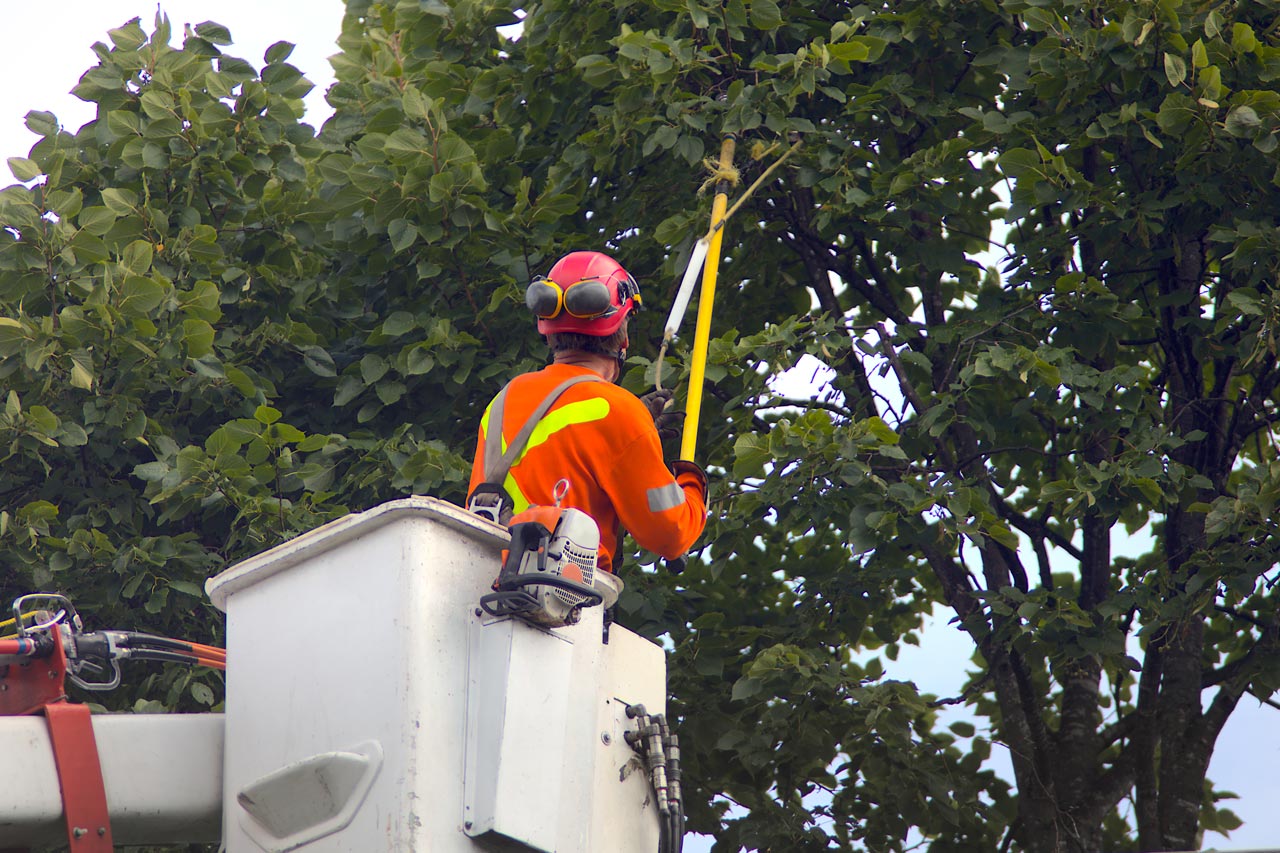
Fort Bend Tree Pros offers tree trimming and pruning for confirmed properties in its Fort Bend County, Texas, service territory. The service covers clearance trimming, overgrowth reduction, deadwood removal, canopy shaping, and general canopy maintenance. Location, responsibility, scope, scheduling, and pricing must be confirmed for each request.
Call (281) 953-6277 or contact Fort Bend Tree Pros with the property location and what you are trying to accomplish with the trimming. Coverage and scope are confirmed before work is scheduled.
Decision Points
What tree trimming is designed to accomplish
Tree trimming and pruning are not cosmetic-only tasks. When done for the right reasons and at the right time, they address practical concerns about safety, access, and tree structure.
Common reasons customers request trimming:
Clearance trimming
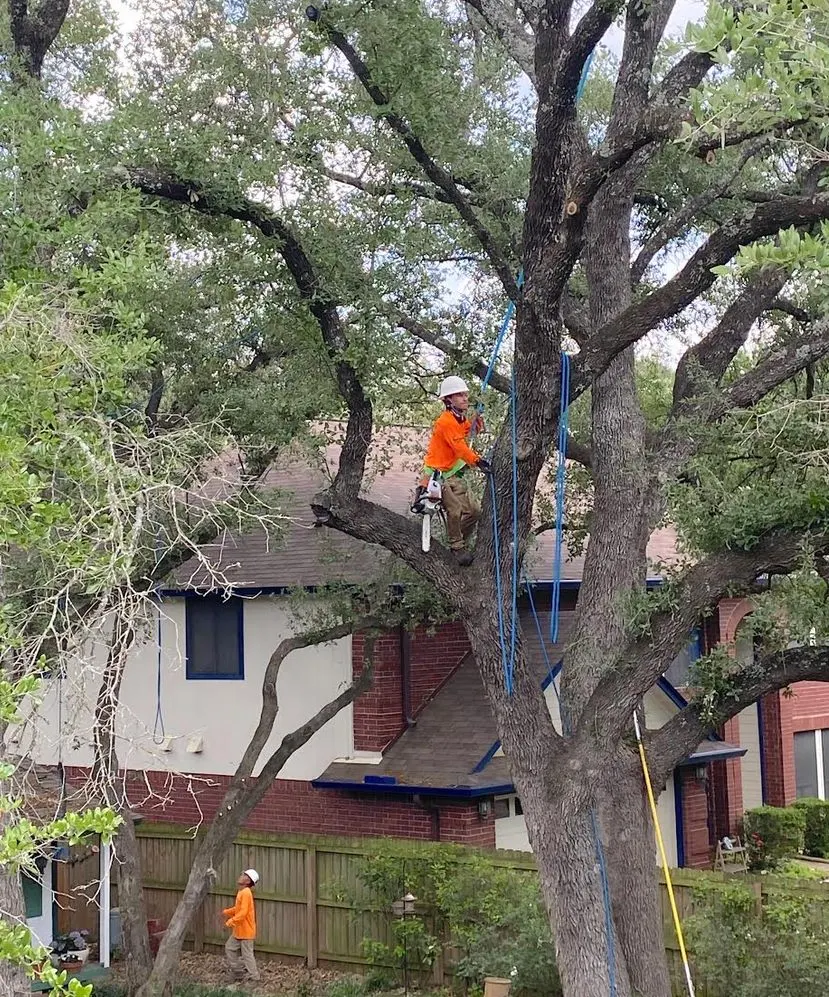
A tree overhanging a roof, siding, driveway, walkway, fence, or pool area may require clearance work to reduce contact, damage risk, and access issues.
Deadwood removal
Dead or dying branches are more likely to break, especially during storms or high winds. Removing them reduces the chance of falling debris.
Overgrowth reduction
Dense canopies can block light, limit airflow, and make yards feel crowded. Selective thinning can open the canopy while preserving the tree's structure.
Canopy shaping and structure
Young trees benefit from structural pruning that establishes a strong framework. Mature trees may need corrective work to address imbalance or structural defects.
General maintenance
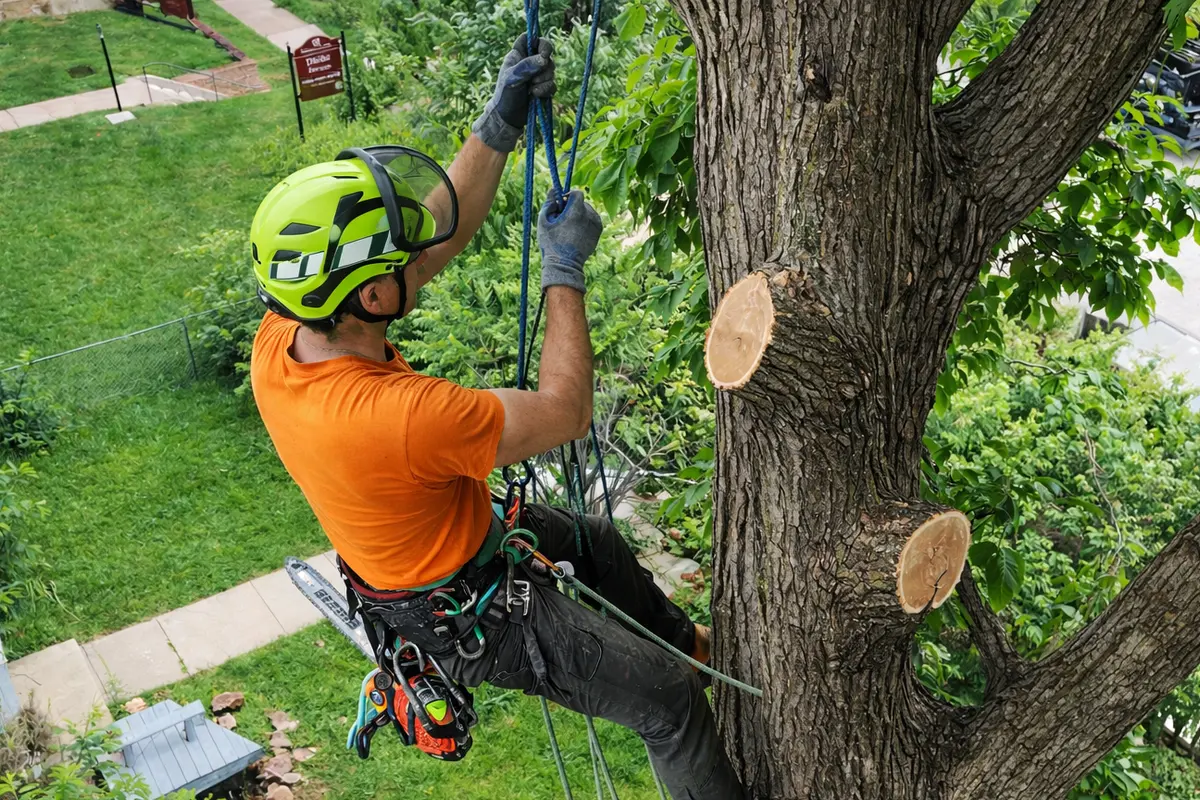
Regular pruning helps maintain a tree's form and reduces the likelihood of large, uncontrolled failures. The exact timing and intensity depend on species and condition.
Written Scope
What changes the scope of a trimming job
Tree trimming is not a single fixed task. The work required depends on the tree's condition, the goal, and the surroundings. Before approving an estimate, ask how each of these factors affects the scope:
- 01
Tree size and species
Larger trees require more labor and more careful planning. Species affects wood density, branch structure, and how the tree responds to pruning.
- 02
Tree condition
A healthy tree and a stressed or diseased tree may require different approaches. A tree with significant deadwood or structural defects may need more intensive work.
- 03
The trimming objective
Clearance trimming, deadwood removal, thinning, and structural pruning are different tasks with different priorities. Be specific about what you are trying to accomplish.
- 04
Nearby structures and obstacles
Houses, garages, fences, pools, landscape features, and underground utilities affect how the work must be approached.
- 05
Access and equipment
A tree in an open yard is different from a tree in a narrow side yard or behind a fence. Limited access may require more sectional work and more time.
- 06
Debris handling
Ask directly whether debris cleanup is included and what the expected condition of the area will be afterward. Do not assume this is included in a trimming estimate.
The Process
The trimming process: from first conversation to completion
A straightforward trimming request follows a predictable sequence. This is how the conversation typically unfolds:
- 01
Initial contact
Share the property location privately, describe the tree(s), and explain what you are trying to accomplish with the trimming. You do not need technical terminology.
- 02
Scope confirmation
Fort Bend Tree Pros confirms whether the property is within the current Fort Bend County service territory and whether the request fits the verified trimming scope. Before defining the pruning plan, the parties clarify responsibility for any tree beside a street, boundary, drainage area, or utility line.
- 03
On-site evaluation
An on-site look at the tree, its surroundings, and access conditions supports a realistic scope and estimate. The evaluator can identify structural concerns, obstacles, and any conditions that could change the work.
- 04
Estimate details
A trimming estimate should name the pruning objective, describe the intended result, distinguish included work from exclusions, and flag conditions that may alter the scope. Ask about scheduling and whether any public or utility coordination is required.
- 05
Work and site condition
Once the scope is approved and scheduled, the trimming proceeds according to the agreed plan. Confirm in advance what the expected condition of the area will be afterward and whether any separate debris tasks are needed.
Safety & Responsibility
Safety and responsibility boundaries
Tree trimming involves real hazards. Fort Bend Tree Pros limits its described role to private-property tree services rather than public-land authority or verified work on utility lines.
Utility lines
Do not approach a tree or limb touching a power line. Contact the utility provider or emergency services as the circumstances require. Utility-line work is not part of the verified service scope.
Public right-of-way
A tree in or over a public right-of-way is not automatically a private-property trimming assignment. Check the applicable city or county guidance before authorizing private work. Local rules differ among Sugar Land, Rosenberg, Richmond, Katy, and unincorporated Fort Bend County.
Immediate hazards
If a fallen tree or broken limb creates an immediate danger to people, a roadway, or a structure, contact the appropriate emergency or utility authority first. Any later Fort Bend Tree Pros work remains limited by the confirmed private tree-service scope and available schedule.
Property boundaries
Confirm ownership and responsibility before work is scheduled. A tree near a property line may involve shared responsibility or neighbor coordination.
Use the municipal references on the Service Areas page when a trimming request raises a location-specific public responsibility question.
Timing & Tree Health
Timing and oak wilt: what Texas sources emphasize
Texas oak pruning requires special timing considerations. The Texas A&M Forest Service oak-wilt guidance says to avoid pruning oaks from February through June and to paint oak wounds immediately.
For a Fort Bend County trimming request, identify the tree species and the work objective before choosing a date. Current first-party guidance should control the timing decision, and urgent clearance concerns may require coordination around the documented oak-wilt precautions. Fort Bend Tree Pros uses the official source as context for timing discussions; it does not provide disease diagnosis or treatment.
Questions
Frequently Asked Questions
These answers are general planning guidance. Property conditions must be reviewed on site.
When is the best time to trim trees in Fort Bend County?
Timing depends on species and objective. For oaks, Texas A&M Forest Service guidance says to avoid pruning from February through June and to paint oak wounds immediately. Describe your situation and consult the current first-party guidance when choosing timing for specific trees.
Does Fort Bend Tree Pros serve all of Fort Bend County?
Fort Bend Tree Pros serves confirmed properties in its Fort Bend County, Texas, service territory. The primary launch areas are Katy properties within that territory, Sugar Land, Rosenberg, and Richmond. Coverage elsewhere in the county must be confirmed for the specific property and schedule.
What information should I provide when requesting a tree trimming estimate?
Share the property location privately, describe the tree(s), explain what you are trying to accomplish, note nearby structures or access limitations, and mention whether the tree is near a street, boundary, drainage area, or utility line. A photo can provide context, but the location and surrounding conditions still matter.
How much of a tree can be trimmed?
The amount of canopy that can be removed depends on species, condition, structure, and the trimming objective. Excessive removal can stress or damage the tree. Discuss your goals and ask what is appropriate for your specific trees.
Can trimming prevent oak wilt?
Trimming alone does not prevent oak wilt. Texas A&M Forest Service guidance says to avoid pruning oaks from February through June and to paint oak wounds immediately; consult the current first-party guidance before scheduling oak work.
Is debris cleanup included in a tree trimming estimate?
Ask directly. Debris cleanup may or may not be included. Confirm what the estimate covers and what, if any, additional tasks are needed for debris handling.