Start Here
Fort Bend Tree Pros provides tree removal, tree trimming and pruning, stump grinding, and emergency tree service for eligible Katy properties within the Fort Bend County service territory. Katy spans Fort Bend, Harris, and Waller counties, so a Katy mailing address does not by itself confirm coverage. Project location and scheduling must be checked before service is arranged.
Request an estimate or call (281) 953-6277 with the property location and a safe description of the tree, limb, stump, or storm-related concern.
Local Service Guidance
First Confirm Which Part of Katy the Property Is In
Katy is different from a city that sits entirely within one county. The City of Katy identifies the city with Fort Bend, Harris, and Waller counties, while Fort Bend Tree Pros’ approved service territory is Fort Bend County. That distinction matters before an estimate visit, schedule, or service scope is assumed.
A practical location check should answer three questions:
- Is the project property within the Fort Bend County service territory?
- Is the tree, limb, or stump on private property rather than in an area controlled by a city, county, or utility?
- Does the request fit one of the four verified services offered by Fort Bend Tree Pros?
The project address should be shared privately through the contact process. This page does not imply a Katy office, storefront, crew base, travel time, or prior work in a particular neighborhood. It explains the services available to eligible properties and the details that help define a useful estimate.
Local Service Guidance
Choose the Service by the Condition You Can See
The same tree can raise more than one question. A storm-damaged tree may need selective pruning, removal, or an emergency response to blocked access. A tree that is not an immediate obstruction may still require a planned conversation about clearance or structure. Start with what can be observed safely rather than trying to diagnose the tree from a distance.
| What you are dealing with | Best starting point | Details to note safely |
|---|---|---|
| A whole tree being considered for removal | Tree removal in Fort Bend County | Whether it is standing or fallen, what changed, and what is nearby |
| Broken, dead, crowded, or overgrown branches | Tree trimming and pruning | Which limbs are involved, the desired clearance, and any recent damage |
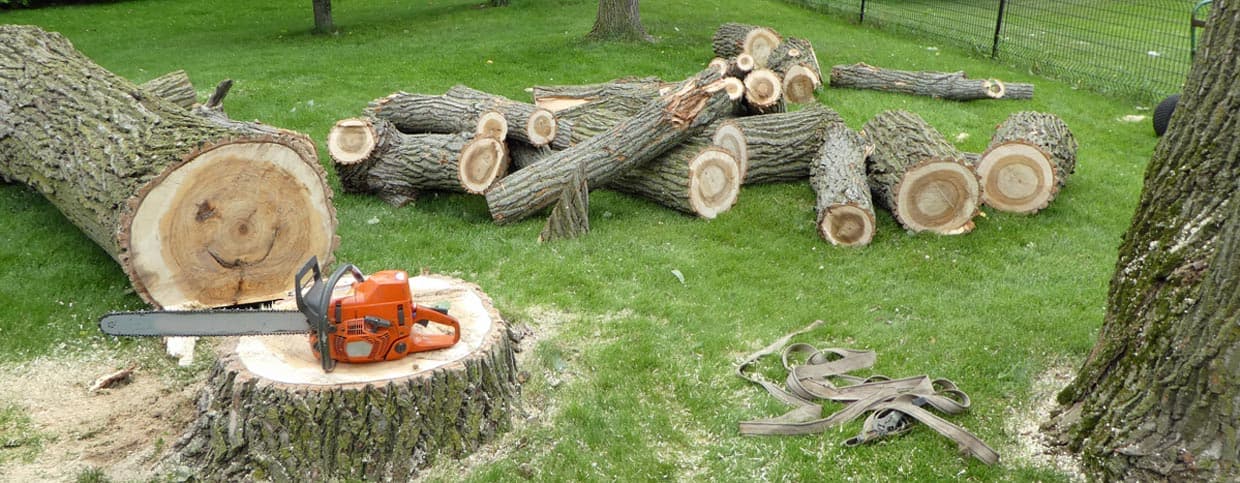
| A remaining stump | Stump grinding | Approximate size, access, visible roots, obstacles, and plans for the area |
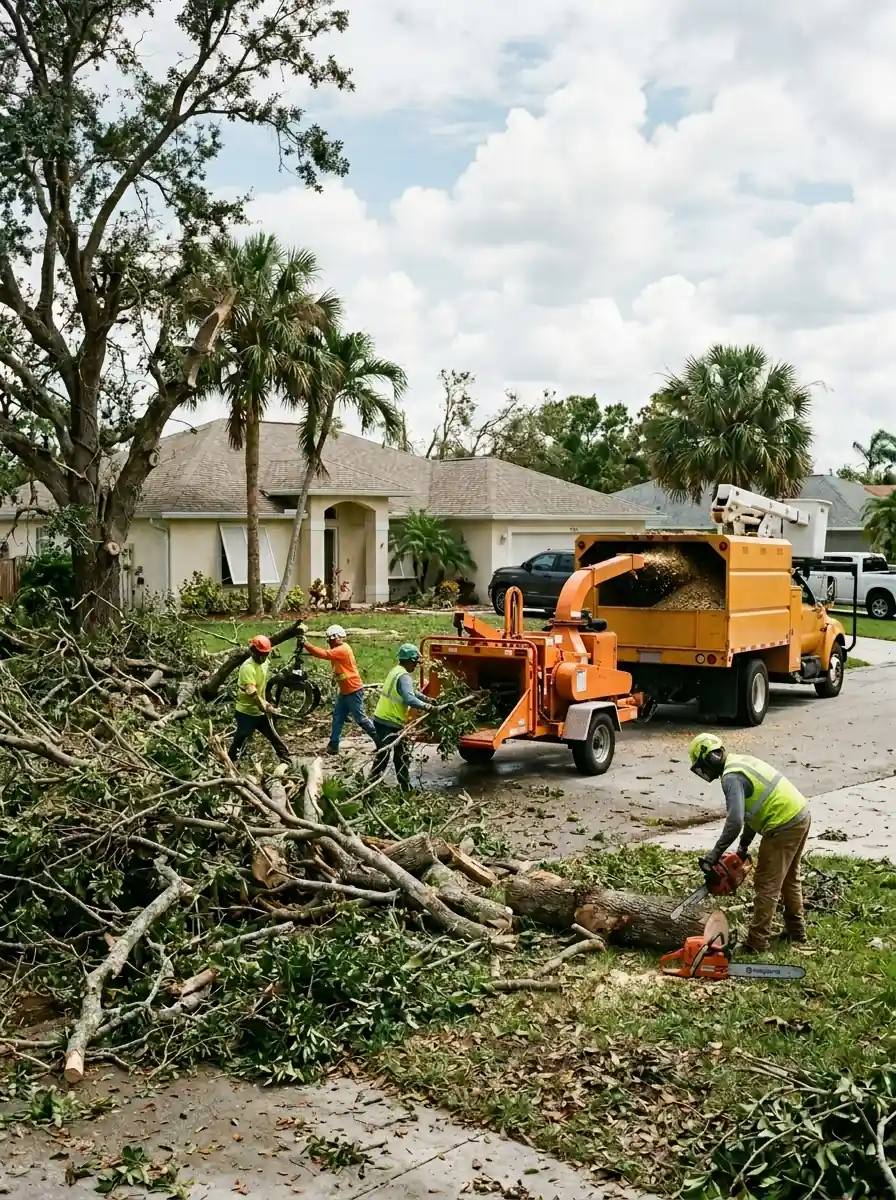
| A fallen tree, broken limb, storm damage, or blocked access | Emergency tree service | What is blocked, whether the area is secure, and whether utility lines are involved |
If none of these descriptions fits cleanly, use the contact page to explain the situation. The initial conversation can identify the most appropriate service page without turning a visual observation into a tree-health diagnosis.
Local Service Guidance
Tree Removal for Katy Properties
Tree removal is the relevant service when a property owner is considering taking down a whole tree or needs help with a tree that has already fallen. Reasons for starting that conversation can include serious storm damage, a concerning lean, a split trunk, extensive crown loss, or a location conflict that cannot be resolved through a narrower scope. These observations support an estimate request; they do not prove from a photograph or written description that removal is the only option.
Location and access can change the proposed work. The estimate conversation should identify nearby structures, fences, gates, driveways, property boundaries, and any public or utility-controlled area. It should also state which tree is included, what is excluded, and what will happen to cut material and the work area. Cleanup, hauling, equipment, and restoration are not assumed inclusions and should appear in the written scope if they matter to the property owner.
After a storm, urgency should not replace sound decision-making once immediate hazards are controlled. Texas A&M Forest Service guidance notes that some storm-damaged trees can recover and that rushed removal decisions can take out trees that might be saved. A removal request should therefore separate the need to secure access or address a dangerous condition from the longer-term decision about the tree.
Local Service Guidance
Purposeful Trimming and Pruning
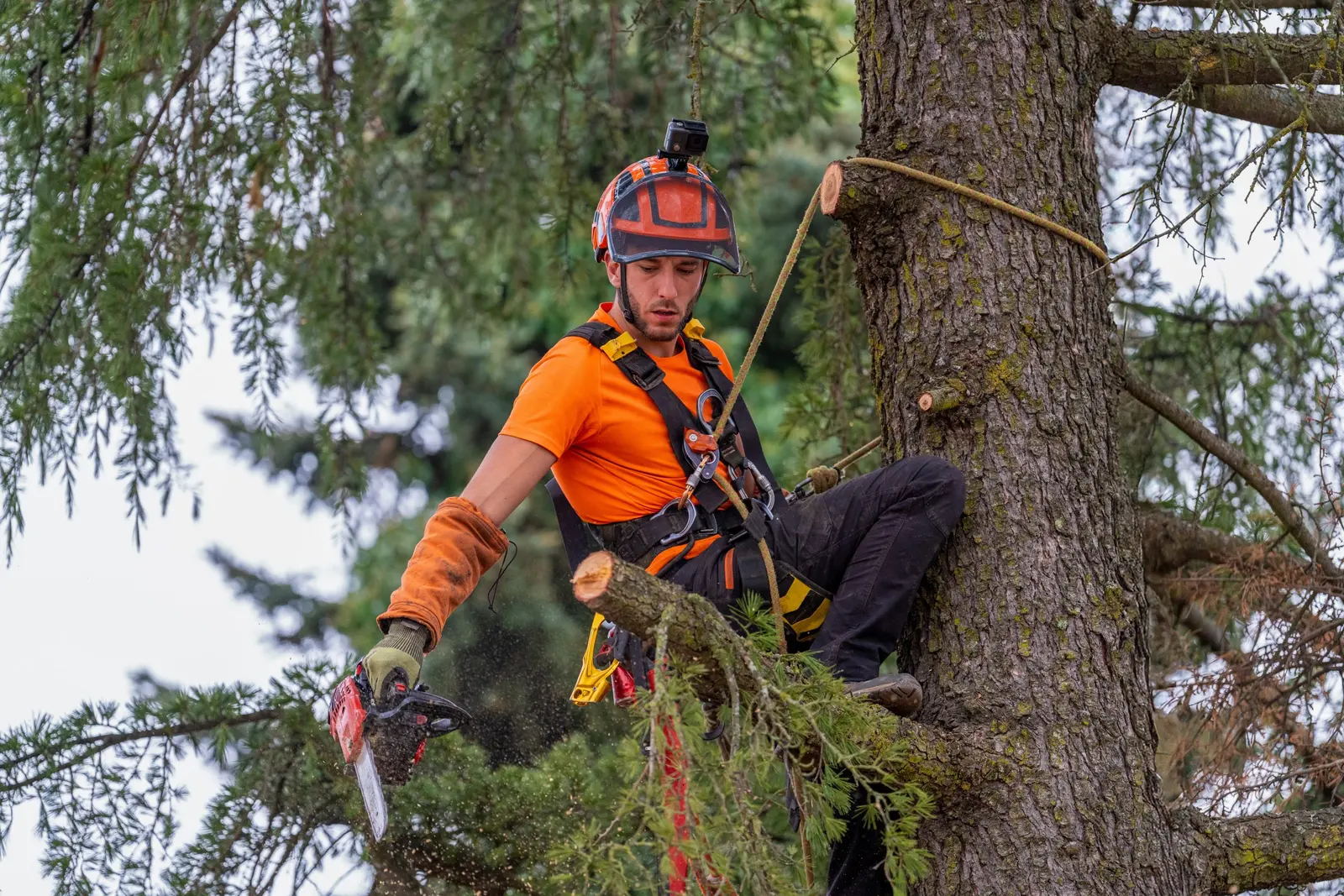
Tree trimming and pruning can address broken or dead limbs, overgrowth, clearance concerns, and work intended to improve structure. The goal should be specific. “Trim the tree” is less useful than identifying the branch conflict, clearance need, storm damage, or structural concern that prompted the request.
The Texas A&M Forest Service explains that every pruning cut is a wound. That principle supports a restrained conversation about why each proposed cut is needed. It does not establish a prescription for a particular Katy tree and does not imply a business credential. Property owners can ask which limbs are included, what outcome the pruning is intended to achieve, and whether the proposed scope is limited to the stated concern.
For mature trees, avoid assuming that more canopy removal is automatically better. The condition of the tree, the reason for pruning, and the amount of live crown affected all matter. If a tree is close to a utility line, do not request private utility-line work. Contact the applicable utility so it can determine the safe next step before any private-property scope is discussed.
Local Service Guidance
Stump Grinding as a Separate Decision
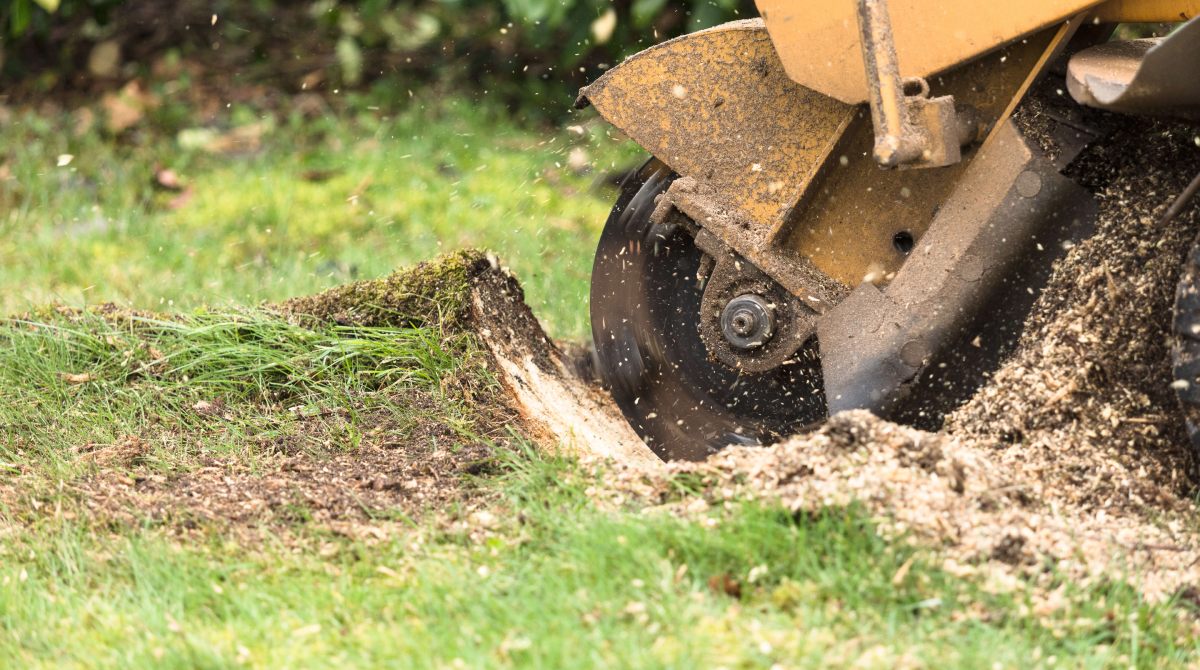
A stump may remain after an earlier removal or may interfere with how a yard is used. Stump grinding is a separate service with its own estimate questions. The conversation should identify the stump, its approximate dimensions, the route to reach it, nearby hardscape or structures, visible surface roots, and the intended use of the area afterward.
Do not assume a standard grinding depth, complete root removal, debris handling, soil replacement, or surface restoration. Ask the written estimate to say what depth is proposed, what happens to grindings or other material, whether visible roots are included, and what condition the area is expected to be in when the stated work is complete. This makes two estimates easier to compare on the same scope.
Local Service Guidance
When Storm Damage or Blocked Access Changes the Priority
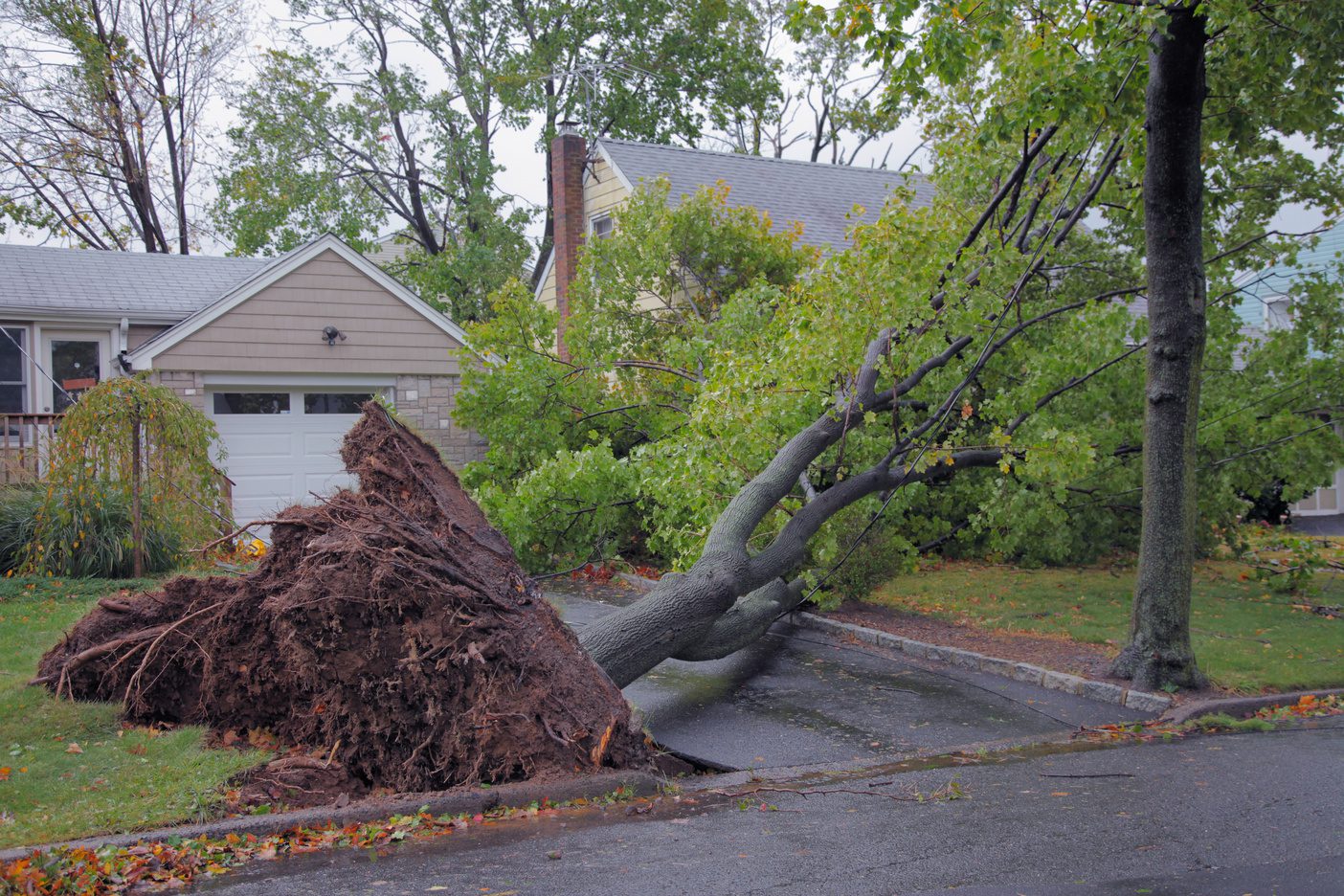
Emergency tree service is the starting point for a fallen tree, broken limb, storm damage, or blocked access that needs prompt attention. It is not a promise of round-the-clock availability, a same-day arrival, or a guaranteed response time. Fort Bend Tree Pros must confirm the location, service fit, and scheduling for each request.
Safety comes before photographs or estimate details. If a tree or limb is touching or near a downed power line, keep people and pets away, avoid touching the tree or anything in contact with the line, and contact 911 for immediate danger and the property’s actual electric utility. Fort Bend Tree Pros does not offer utility-line work. Do not stand under hanging branches or approach a damaged tree merely to get a closer image.
When the area is safe enough to communicate from a distance, explain what fell, what is blocked, whether a structure is involved, and whether public access or a utility is affected. Photos can be useful only when they can be taken without entering the hazard area. Availability and scope remain subject to confirmation.
Local Service Guidance
What a Clear Katy Estimate Request Should Cover
A useful request gives enough context to check territory, service fit, and the likely scope without making promises before the property is considered. Include:
- the Katy project address, shared privately, so Fort Bend County territory can be confirmed;
- whether the issue involves a whole tree, specific limbs, a stump, or storm damage;
- what changed and when it became noticeable;
- nearby homes, buildings, fences, gates, driveways, or other access constraints;
- whether the concern is near a street, public area, property boundary, or utility line;
- the outcome being considered: removal, selective pruning, stump grinding, or help with a fallen tree or blocked access; and
- the scope details that should be stated in writing, including exclusions, timing, debris, grinding depth, roots, or surface condition when relevant.
The estimate should identify the exact object or area included and explain how changes will be documented before extra work is approved. Price alone does not show whether two proposals cover the same work. Compare the written scope, exclusions, access assumptions, schedule terms, and payment conditions together.
Local Service Guidance
Nearby Fort Bend County Tree Service Hubs
Property owners researching nearby areas can use the approved city hubs for tree service in Sugar Land, tree service in Rosenberg, and tree service in Richmond. These pages support separate local intent; they do not represent local offices.
For a countywide overview, browse all Fort Bend County tree service areas or compare the four service categories on the tree services directory. City-and-service modifiers for Katy remain on this hub at launch. No separate Katy trimming, removal, stump, or emergency spoke is being promoted from this page.
Local Service Guidance
Request an Estimate for an Eligible Katy Property
When the property is within the Fort Bend County service territory, Fort Bend Tree Pros can discuss tree removal, trimming and pruning, stump grinding, or emergency service for fallen trees, broken limbs, storm damage, and blocked access. Request an estimate or call (281) 953-6277. Coverage, scheduling, and the written work scope must be confirmed before service is assumed.
Common Questions
Fort Bend County tree-service answers
Frequently Asked Questions
Does Fort Bend Tree Pros serve every Katy address?
No. Fort Bend Tree Pros serves eligible Katy properties within the Fort Bend County service territory, subject to project location and scheduling. Katy spans Fort Bend, Harris, and Waller counties, so a Katy address alone does not confirm coverage.
Which tree services are available for eligible Katy properties?
Eligible Katy requests can involve removal of a whole tree, selective trimming and pruning, grinding a remaining stump, or emergency help with a fallen tree, broken limb, storm damage, or blocked access. The estimate process confirms the appropriate category and the written work boundaries.
What should I do if a Katy tree is touching a power line?
Stay away from the tree, limb, and line; keep other people and pets away as well. Contact 911 if there is immediate danger and notify the property’s actual electric utility. Fort Bend Tree Pros does not provide utility-line work.
Does a storm-damaged tree always need removal?
Not necessarily. Texas A&M Forest Service guidance explains that some storm-damaged trees can recover and warns against rushed removal decisions. Address immediate safety and utility hazards first, then seek an appropriate assessment of the remaining tree and site conditions.
What should a stump grinding estimate explain?
A stump grinding estimate should identify the stump, access conditions, proposed grinding depth, treatment of visible roots, handling of grindings or debris, exclusions, and the expected condition of the area afterward. Those items should be confirmed in writing rather than assumed.