Quick Answer
Fort Bend Tree Pros offers emergency tree service for confirmed properties in its Fort Bend County, Texas, service territory. The service covers fallen trees, broken limbs, storm damage, and blocked access on private property. Location, responsibility, scope, scheduling, and pricing must be confirmed for each request.
Call (281) 953-6277 or contact Fort Bend Tree Pros with the property location and a description of the situation. Coverage, scope, and availability are confirmed before work is scheduled.
Decision Points
When emergency tree service is needed
Emergency tree service is not a faster version of routine trimming or removal. It is the starting point when a tree event has already happened and creates an immediate hazard, blocks access, or damages property.
Common situations that require emergency service:
Fallen trees
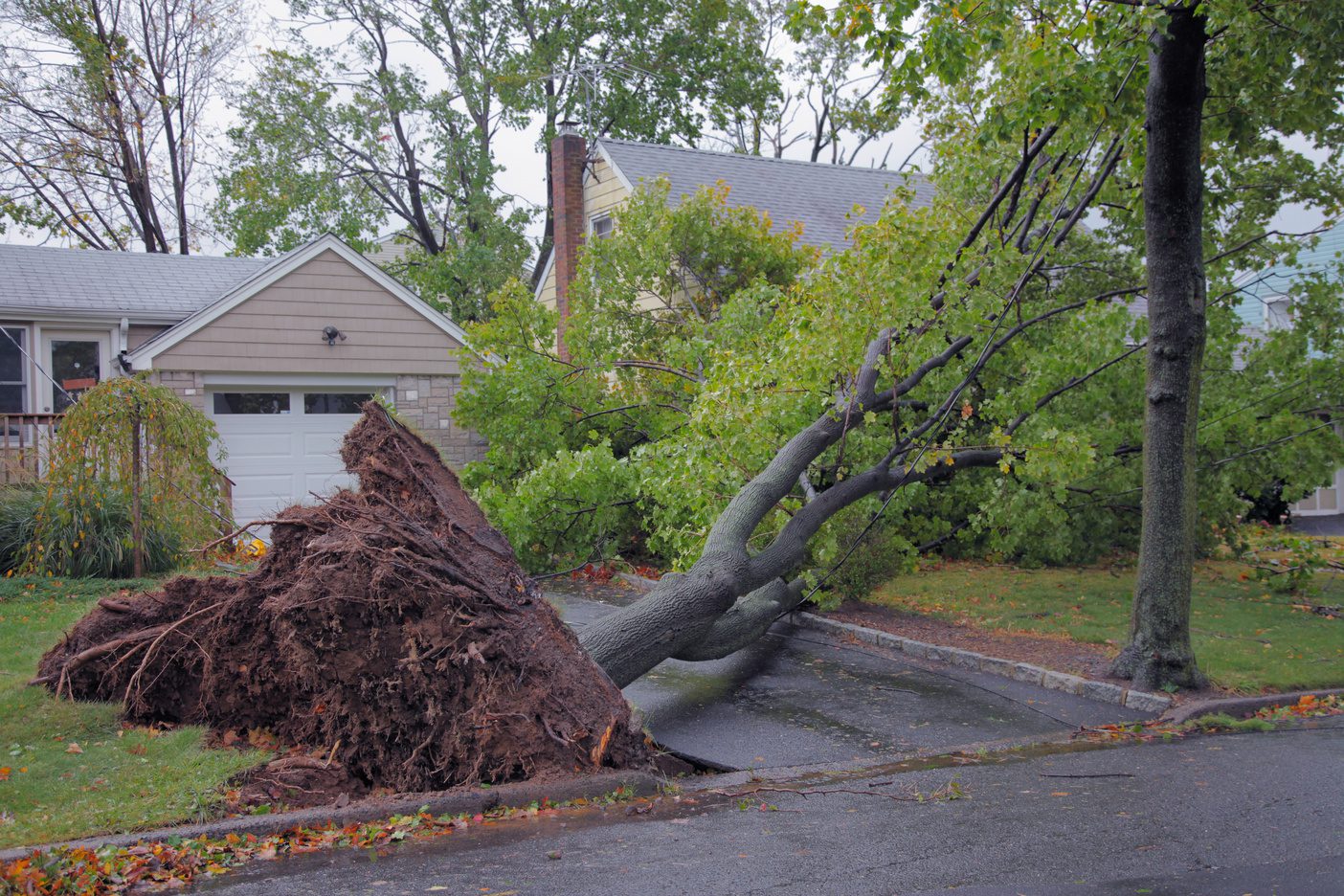
A tree that has fallen onto a yard, driveway, fence, or structure may block access or create an immediate hazard. If the tree is on private property and does not involve energized utility lines, a tree-service provider can help assess removal.
Broken limbs
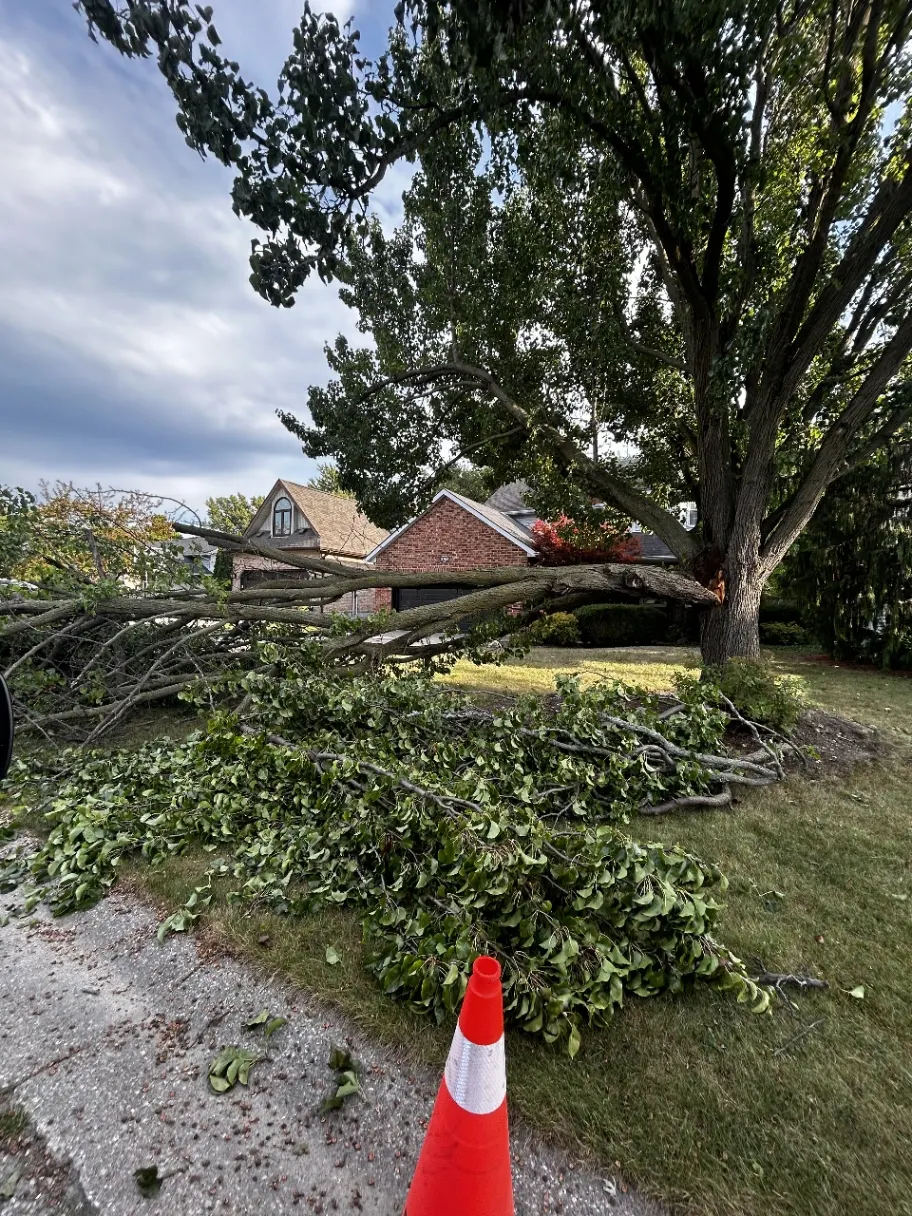
Large broken branches may hang precariously, block access, or rest on a structure. They can fall without warning and create additional hazards.
Storm damage
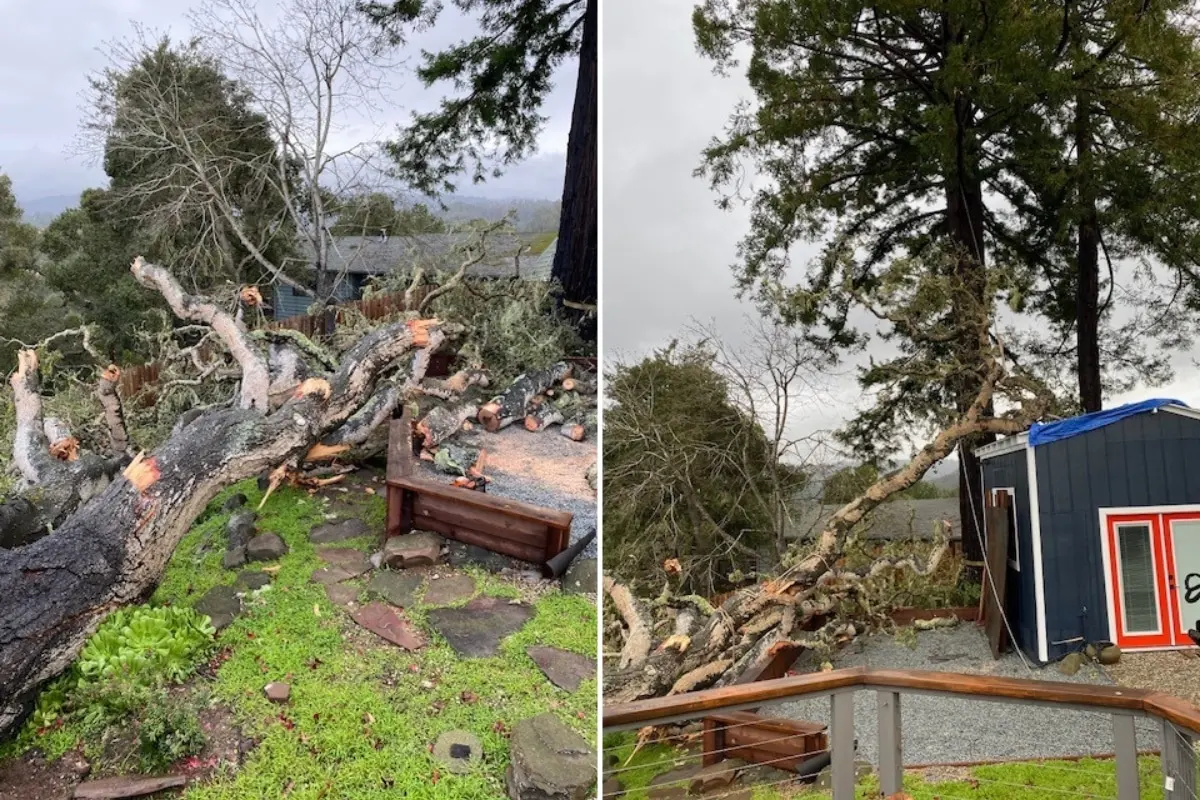
High winds, heavy rain, and thunderstorms can knock down trees, break large limbs, or destabilize trees that appear intact. The Texas A&M Forest Service notes that some storm-damaged trees may be recoverable, but immediate hazards must be addressed first.
Blocked access
A fallen tree or large limb blocking a driveway, walkway, or gate can prevent access to a home or business. Addressing the blockage may be the priority before other storm damage is evaluated.
Hazardous conditions
A tree that has been significantly damaged, split, or uprooted may be unstable and pose an ongoing risk. If it is leaning over a structure, access route, or area where people gather, it should be evaluated as soon as safely possible.
Written Scope
What changes the scope of an emergency tree service
Emergency tree service is not a single fixed task. The work required depends on the damage, the location, and the hazards. Before approving an estimate, ask how each of these factors affects the scope:
- 01
Type of damage
A fallen tree, a broken limb, and a leaning tree are different situations with different priorities and methods.
- 02
Tree size and condition
Larger trees and severely damaged trees generally require more labor, more careful rigging, and more time.
- 03
Location and access
A tree in an open yard is different from a tree between two structures, behind a fence, or in a narrow side yard. Limited access can require more sectional dismantling and more time.
- 04
Nearby structures and obstacles
Houses, garages, sheds, fences, vehicles, pools, landscape features, and underground utilities all affect how the tree must be addressed.
- 05
Utility lines and public areas
Resolve utility-line involvement and public right-of-way questions before private tree work is considered. Keep away from trees or limbs contacting power lines and alert the utility provider or emergency services as circumstances require.
- 06
Stump and debris handling
Ask directly whether stump removal or grinding is included, how debris is handled, and what the expected condition of the area will be afterward. Do not assume these are included in an emergency service estimate.
The Process
The emergency service process: from first call to completion
An emergency tree service request follows a predictable sequence. This is how the conversation typically unfolds:
- 01
Initial contact
Call (281) 953-6277 or contact Fort Bend Tree Pros with the property location and a clear description of the situation. Share whether people, a roadway, or a structure face immediate danger and whether utility lines are involved.
- 02
Scope confirmation
Fort Bend Tree Pros confirms whether the property is within the current Fort Bend County service territory, whether the request fits the verified emergency service scope, and whether availability exists for the requested timing. Trees near streets, boundaries, drainage areas, or utility lines require the responsible party to be identified before private emergency work is scoped.
- 03
On-site evaluation
An on-site look at the damage, the surroundings, and access conditions supports a realistic scope and estimate. The evaluator can identify structural concerns, obstacles, and any conditions that could change the work.
- 04
Estimate details
An emergency-service estimate should identify the immediate tree action, intended site result, inclusions, exclusions, and conditions that could change the plan. Ask about scheduling, access needs, and whether any public or utility coordination is required.
- 05
Work and site condition
Once the scope is approved and scheduled, the emergency work proceeds according to the agreed plan. Confirm in advance what the expected condition of the area will be afterward and whether any separate stump or debris tasks are needed.
Safety & Responsibility
Utility lines and immediate safety: what to do first
Utility-line involvement changes everything. Before calling a tree-service provider, check whether the tree or limb is touching or near a power line.
Do not approach
a tree or limb touching a power line. Assume the line is energized until the utility provider says otherwise.
Contact the utility provider
or emergency services as the circumstances require. The utility will address the line and coordinate with tree-service providers when it is safe to do so.
Utility-line work is not part of the verified service scope
Fort Bend Tree Pros describes private-property tree services; it does not claim authority over utility-line work.
Oncor warns people to keep away from fallen power lines. Follow the utility provider's instructions before any tree work begins.
After the Emergency
After the emergency: what happens next
Once the immediate hazard is addressed, additional decisions may be necessary. A storm event can affect multiple trees, and some damage may not be immediately obvious.
If a tree or major limb has struck a structure, follow what to do if a tree falls on your house before taking photographs, comparing estimates, or arranging private-property cleanup.
- Evaluate remaining trees. After a storm, look for leaning trees, broken limbs, and signs of structural damage. A tree that appears intact may have root damage or internal decay that affects its stability.
- Consider trimming or removal. Some storm-damaged trees may be recoverable through pruning. Others may require removal. Tree trimming and pruning in Fort Bend County and tree removal in Fort Bend County explain when each option is practical.
- Address remaining stumps. If a tree is removed, the stump may require grinding. Stump grinding in Fort Bend County explains the scope and expected result.
- Plan for future storms. Regular tree maintenance, including deadwood removal and structural pruning, can reduce the likelihood of storm-related failures. Timing matters, especially for oak trees and oak wilt considerations.
Questions
Frequently Asked Questions
These answers are general planning guidance. Property conditions must be reviewed on site.
When should I call for emergency tree service?
Call when a tree has fallen, a large limb has broken, storm damage has created a hazard, or access is blocked. If people, a roadway, or a structure face immediate danger, contact the appropriate emergency authority first. Then call (281) 953-6277 to discuss the tree-service portion that is within the verified scope.
What should I do if a tree has fallen on a power line?
Keep clear of the tree and the line and contact the utility provider or emergency services as the circumstances require. Do not approach a tree or limb touching a power line. Utility-line work is not part of the verified service scope.
Does Fort Bend Tree Pros serve all of Fort Bend County?
Fort Bend Tree Pros serves confirmed properties in its Fort Bend County, Texas, service territory. The primary launch areas are Katy properties within that territory, Sugar Land, Rosenberg, and Richmond. Coverage elsewhere in the county must be confirmed for the specific property and schedule.
Can a storm-damaged tree be saved?
Some storm-damaged trees may be recoverable through pruning or care. The Texas A&M Forest Service provides guidance on evaluating damaged trees. Describe the damage and ask whether removal is the only practical option before deciding.
Is debris cleanup included in an emergency tree service estimate?
Ask directly. Debris cleanup may or may not be included. Confirm what the estimate covers and what, if any, additional tasks are needed for debris handling.
How quickly can emergency service be scheduled?
Availability depends on current demand, weather conditions, and the number of active requests. Contact Fort Bend Tree Pros with the situation and property location to confirm availability and expected timing.